Новости

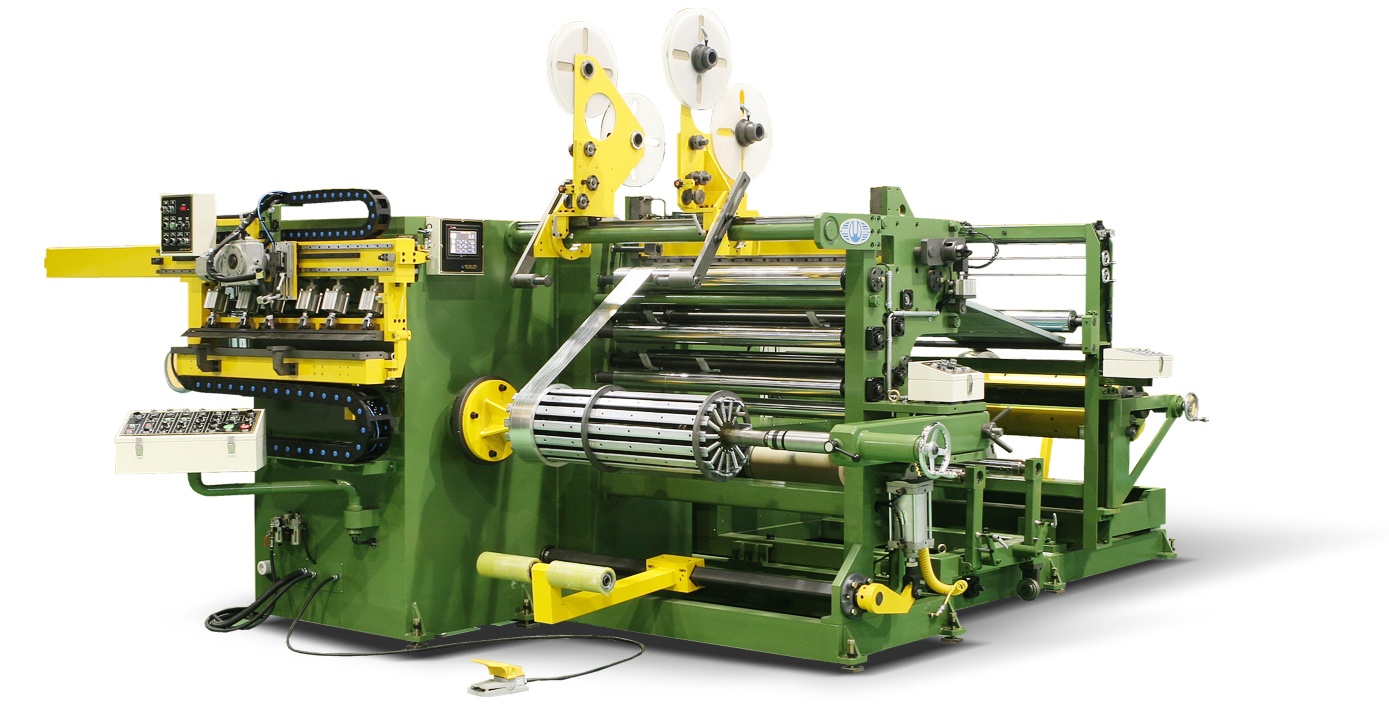
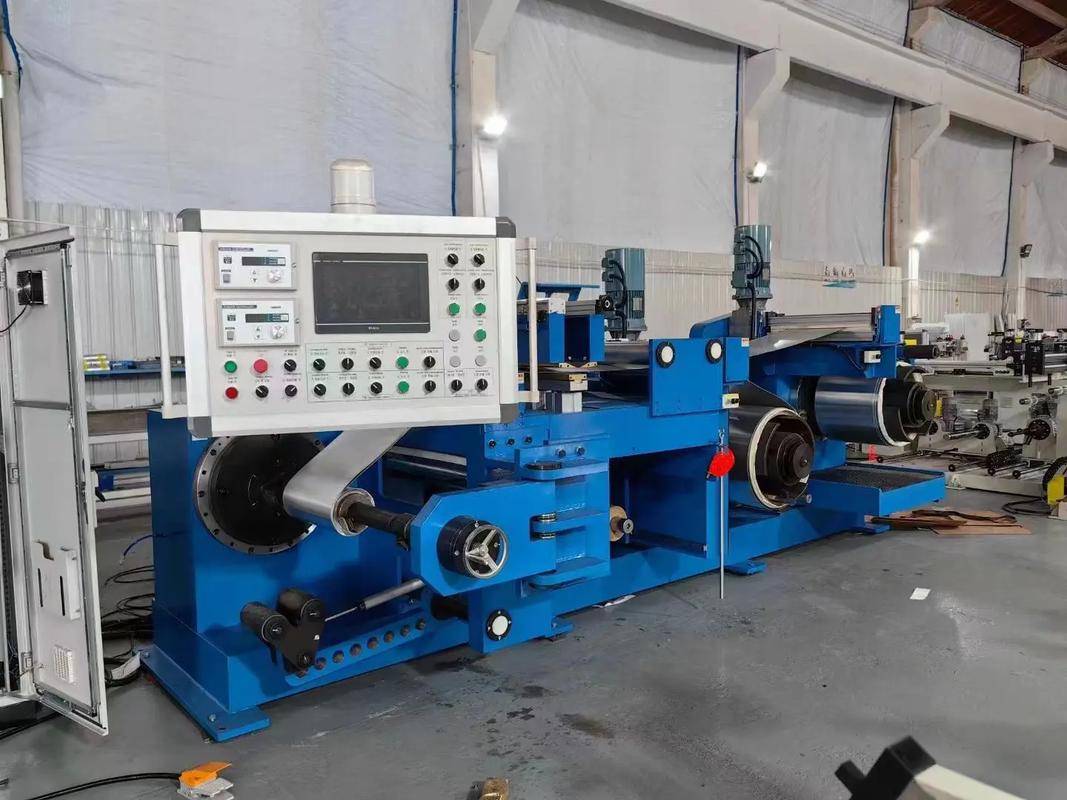
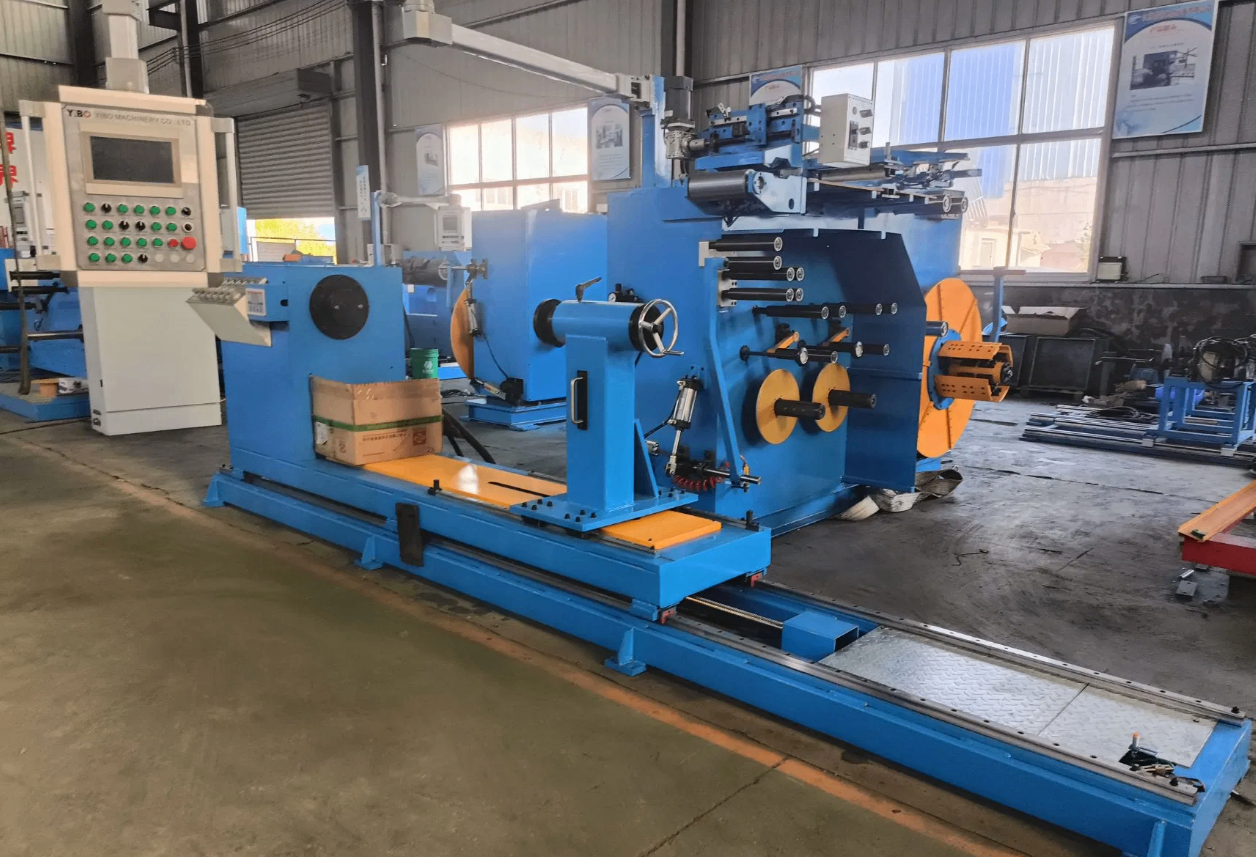
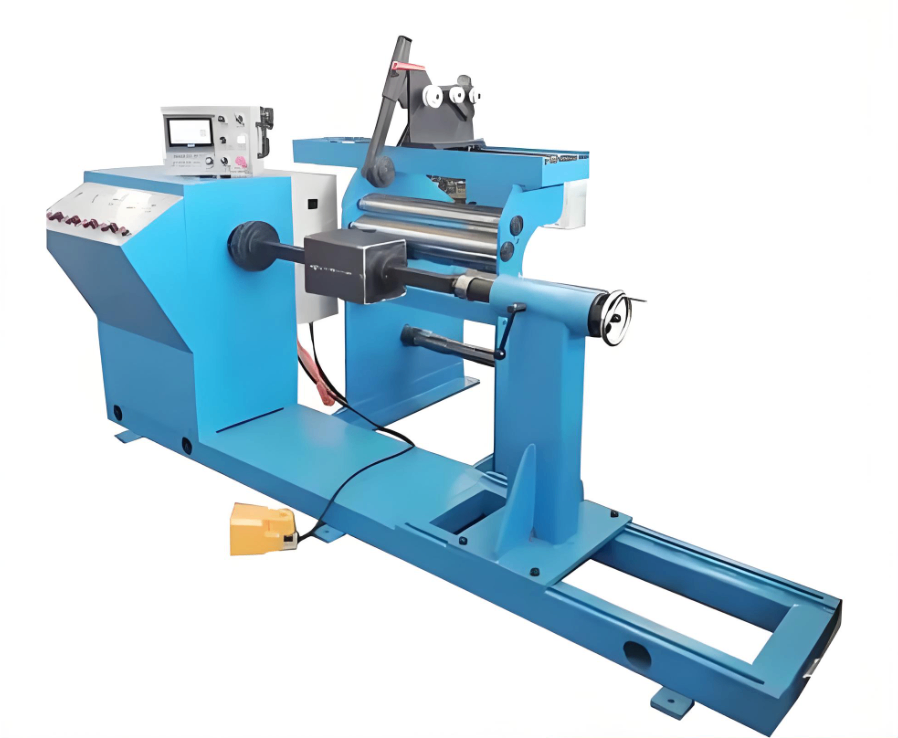
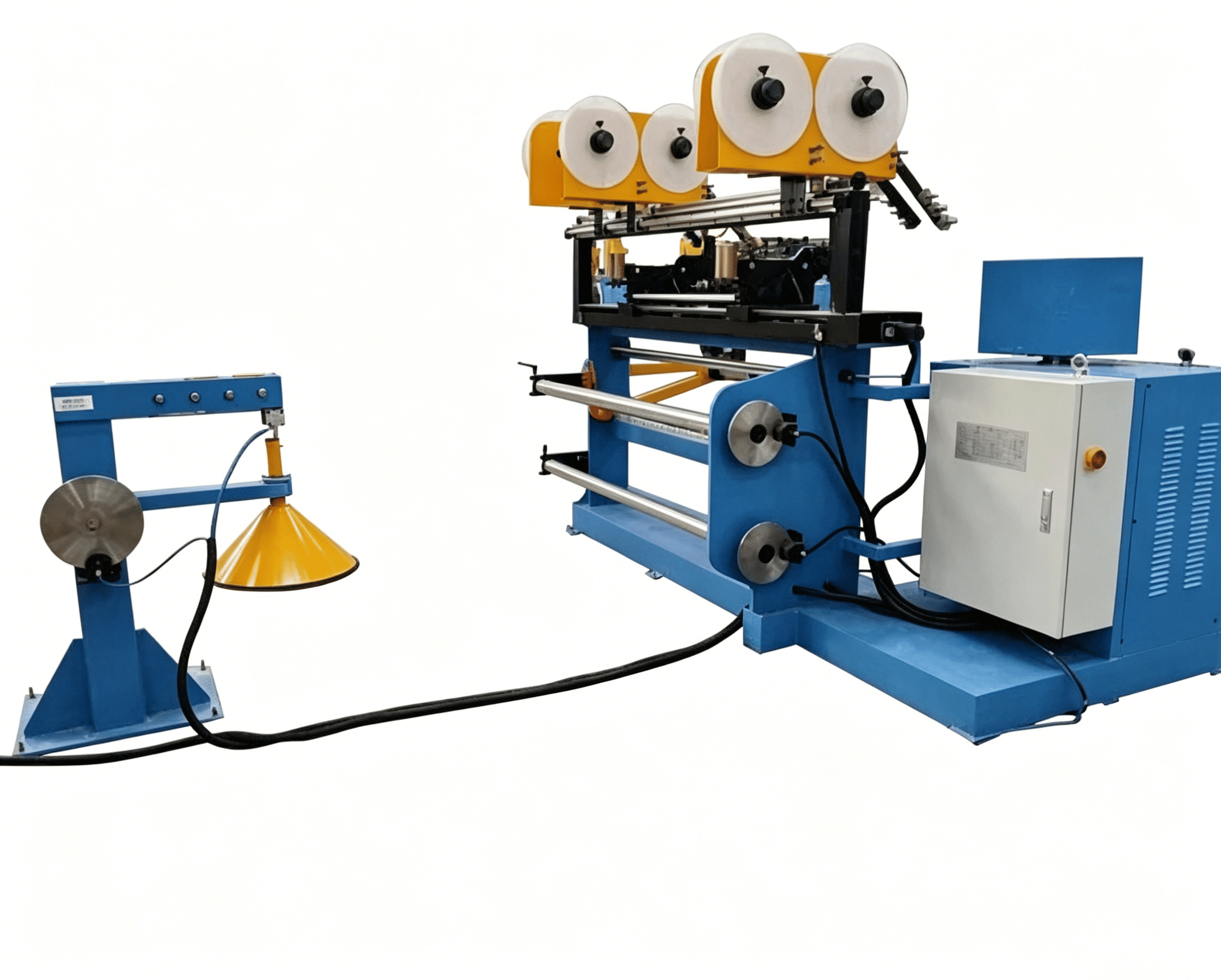
Winding machine is a very common equipment in the process of transformer production. Many customers are not familiar with its use and operation methods.
We have also provided installation and technical guidance services for customers in Mexico, Germany, Italy, the United States, Canada and other countries, and found that there are still some technical irregularities in the operation process.
Today, through this article, we will introduce in detail how to use the winding machine and the correct operation steps.
If you want to know more information and videos about the equipment, please follow us.youtubeChannel.
I. Equipment overview
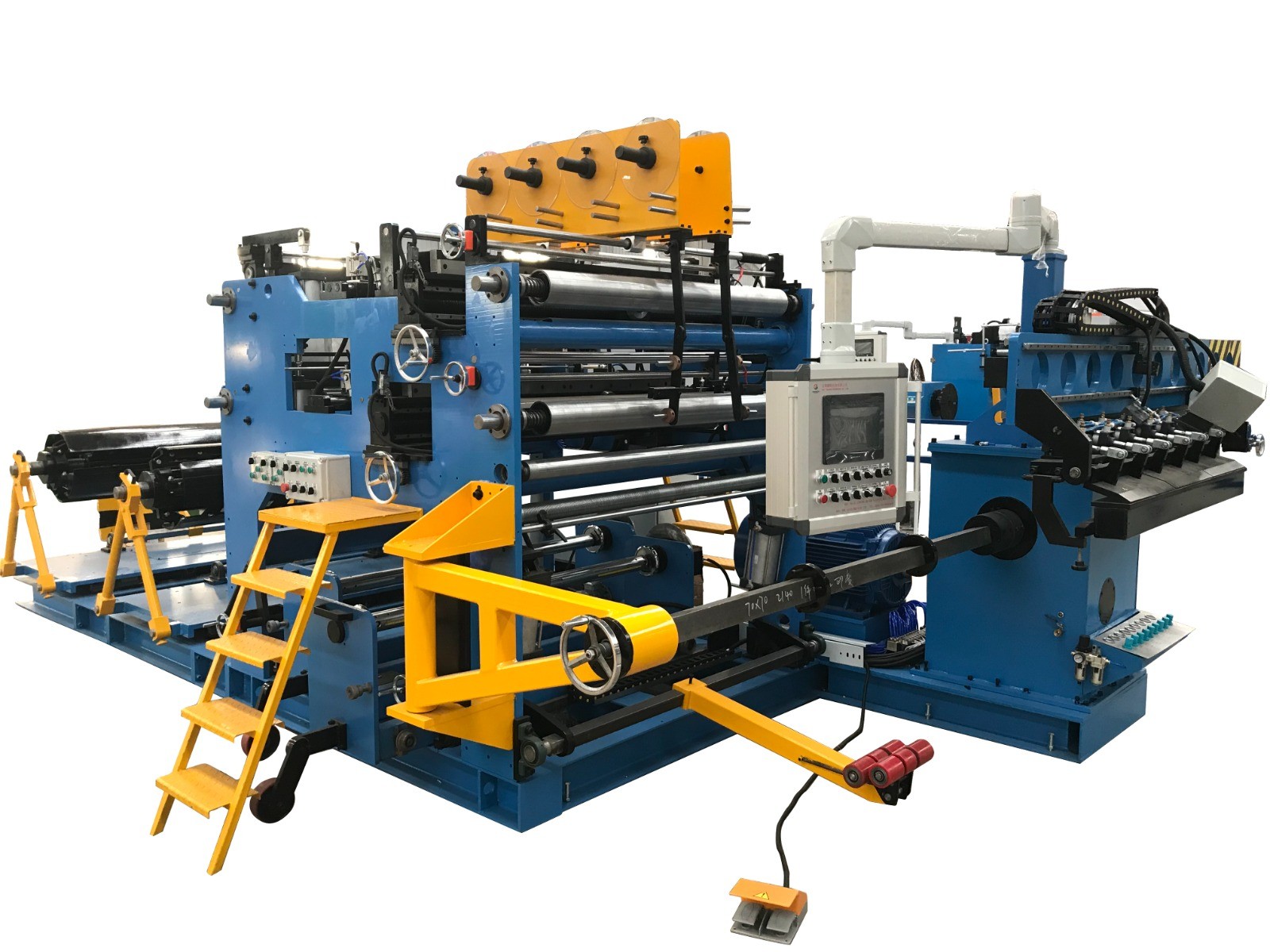
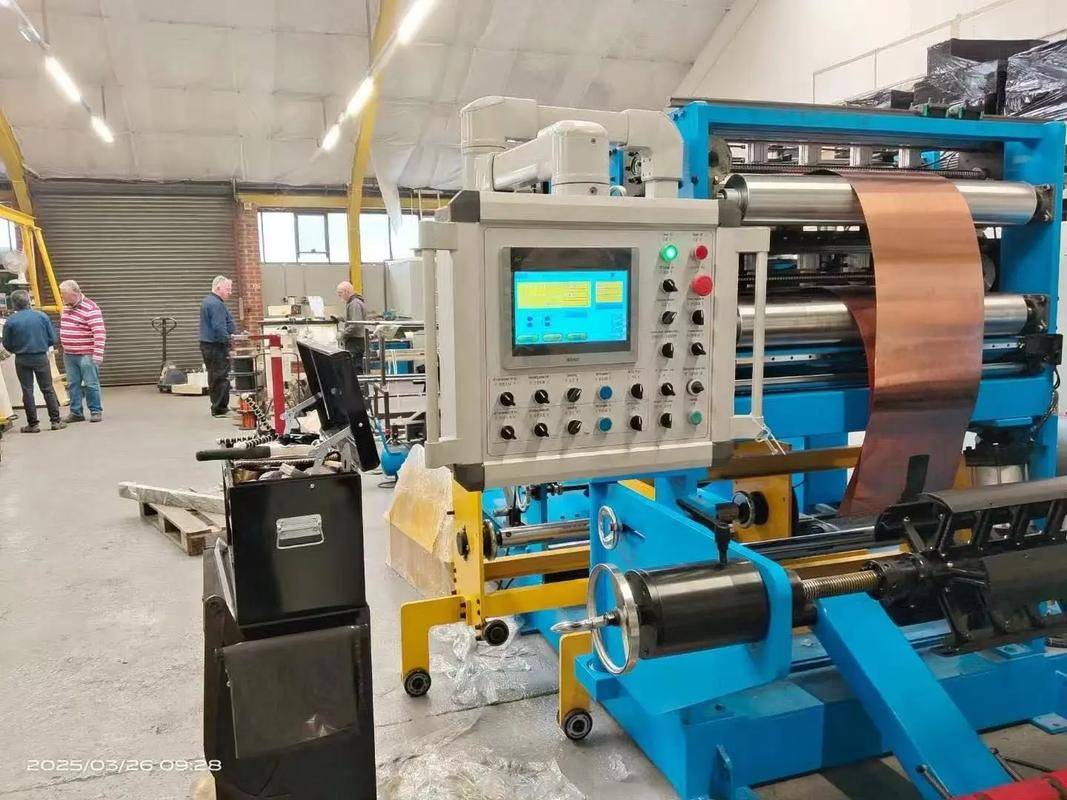
Winding machineIt is a kind of winding equipment with high degree of automation, which is mainly used for winding electronic components such as coils, transformers and motors. The equipment realizes the function of automatic wire arrangement through precise control system, which can effectively improve production efficiency and ensure the consistency of winding quality.
II. Equipment composition
1.Mechanical part: including main shaft system, wire arrangement mechanism, tension control system, frame, etc.
2.Electrical part: master control system, servo drive system, human-machine interface(HMI)
3.Auxiliary device: wire guide, counter, safety protection device, etc.
III. Preparation before operation
1.Equipment inspection
-Check whether all parts of the equipment are intact.
-Confirm that the power connection is normal and the voltage meets the equipment requirements.
-Check the air supply(If any)Is the pressure up to standard?
-Confirm that all moving parts are well lubricated
2.Material preparation
-Select the appropriate wire according to the process requirements
-Prepare the skeleton or mold of corresponding specification
-Prepare necessary auxiliary tools(Scissors, tweezers, etc.)
3.Parameter setting
-Enter the winding parameters according to the product specification(Number of turns, wire diameter, winding width, etc.)
-Set the ribbon pitch and winding speed
-Input tension control parameter
IV. Operation steps
1.Startup procedure
-Turn on the main power switch
-Start the control system and wait for the completion of system self-test.
-Check that the emergency stop button is released
2.Install the frame/Mold
-Select a suitable fixture and install it on the spindle.
-Fix the winding frame or die on the fixture.
-Confirm that the fixation is firm without looseness.
3.Threading operation
-Lead the wire from the coil through the tension control system
-Passing through the guide wheels and the wire-passing device in turn
-Fix the thread end at the starting position of the skeleton
4.Parameter validation
-Check the input winding parameters on the man-machine interface
-Carry out no-load test run and observe whether the wire arrangement is normal.
-Adjust parameters to status
5.Start winding
-Press the start button, and the equipment starts automatic winding.
-Observe the cable arrangement effect of the initial layers.
-If any problem is found, stop the machine for adjustment in time.
6.Process monitoring
-Observe whether the tension control is stable.
-Check whether the flat cable is in order, and there is no overlap or excessive gap.
-Monitor the counter display to ensure the number of turns is accurate
7.End of winding
-Cut the wire after the equipment stops automatically
-Remove the finished product
-Clear the work area and prepare the next product
V. Precautions
1.Safe operation
-Work clothes must be worn during operation to prevent loose clothes from being involved.
-Do not put your hands or other objects in the area of the moving parts while the equipment is in operation
-Press the emergency stop button immediately in case of emergency.
2.Equipment maintenance
-Clean equipment regularly and keep the working environment clean and tidy
-Lubricate all moving parts at specified intervals.
-Regularly check that the electrical connections are secure
3.Quality Control
-The first article of each batch must be strictly inspected.
-Regularly spot check the electrical parameters of winding products.
-Record the abnormal conditions during production.
VI. Handling of common problems
1.The wire arrangement is not in order
-Check whether the wire diameter parameter is set correctly
-Adjust the stepping value of the wire arrangement mechanism
-Check for proper tension control
2.Disconnection problem
-Check whether the wire quality meets the requirements
-Adjust the tension to the proper range.
-Check the wire passing device for burrs or damage
3.The count is not accurate
-Check whether the sensor works normally
-Confirm that the count parameter is set correctly
-Perform manual calibration if necessary
4.Alarm for equipment abnormality
-Refer to the instruction manual according to the alarm code
-Check the status of the corresponding component
-If the problem cannot be solved, contact professional maintenance personnel.
VII. Daily maintenance
1.Daily maintenance
-Clean equipment surfaces and work areas
-Check whether the fasteners are loose.
-Empty the waste bin
2.Weekly maintenance
-Clean and lubricate each guide rail and leadscrew
-Check belt or chain tension
-Clean electrical cabinet strainer
3.Monthly maintenance
-Comprehensively check the status of all parts of the equipment
-Check the reliability of electrical connection
-Perform preventive maintenance on critical components
VIII. Operation Skills
1.Parameter optimization
-Adjust the winding speed according to the wire characteristic
-Optimize the starting point for different skeleton shapes
-Establish the parameter library of common products
2.Efficiency improvement
-Reasonably plan loading and unloading time
-Using multi-station operation to improve equipment utilization ratio
-Optimizer reduces idle travel times
3.Quality Assurance
-Periodically calibrate the equipment with standard samples.
-Establish perfect first inspection and patrol inspection system
-Conduct regular training for operators
Through the above detailed operation steps and precautions, the operator can master them skillfully.Winding machineTo ensure the safe and stable operation of the equipment and produce high-quality winding products. In actual operation, we should strictly abide by the operating procedures, constantly accumulate experience, and improve operational skills and production efficiency.
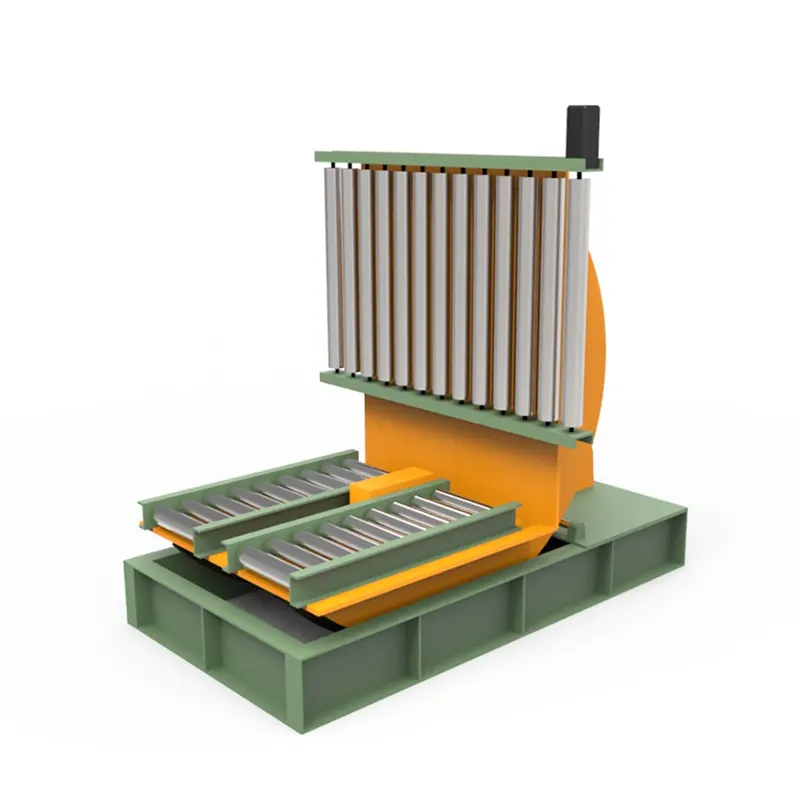
Линия наклона сердечника трансформаторного автоматического подвижного трамвая
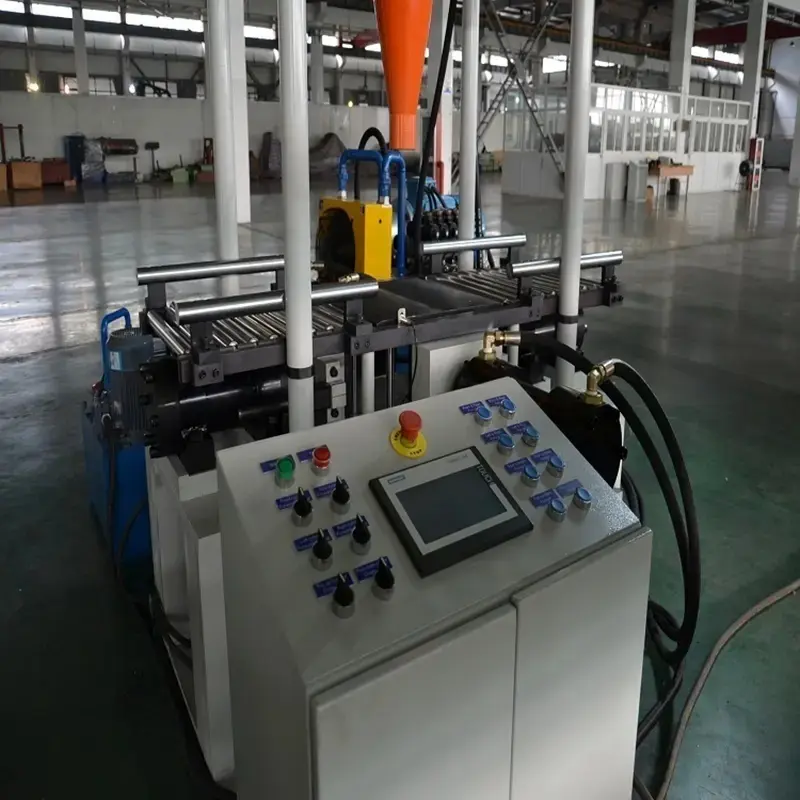
Машина для формования сердечника железного трансформатора
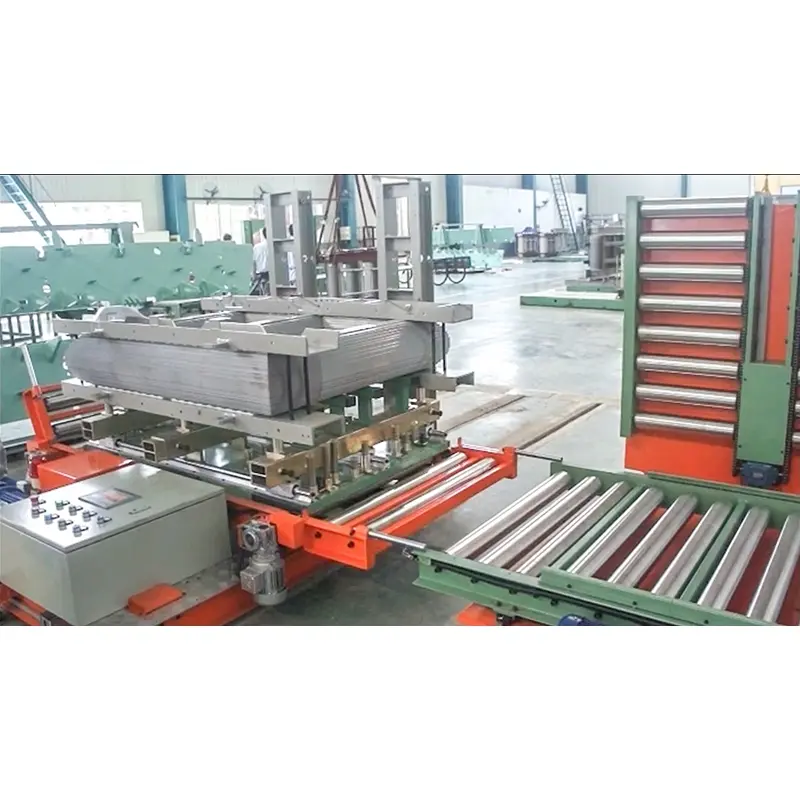
Наклонная платформа кузова силового трансформатора
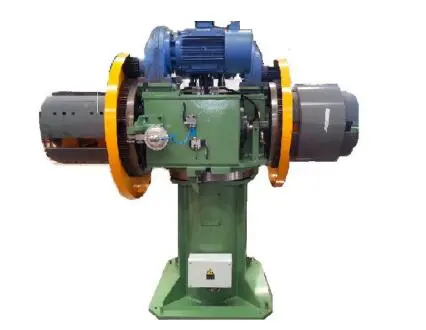
Линия по производству сердечников дисков для кремниевых шунтирующих реакторов
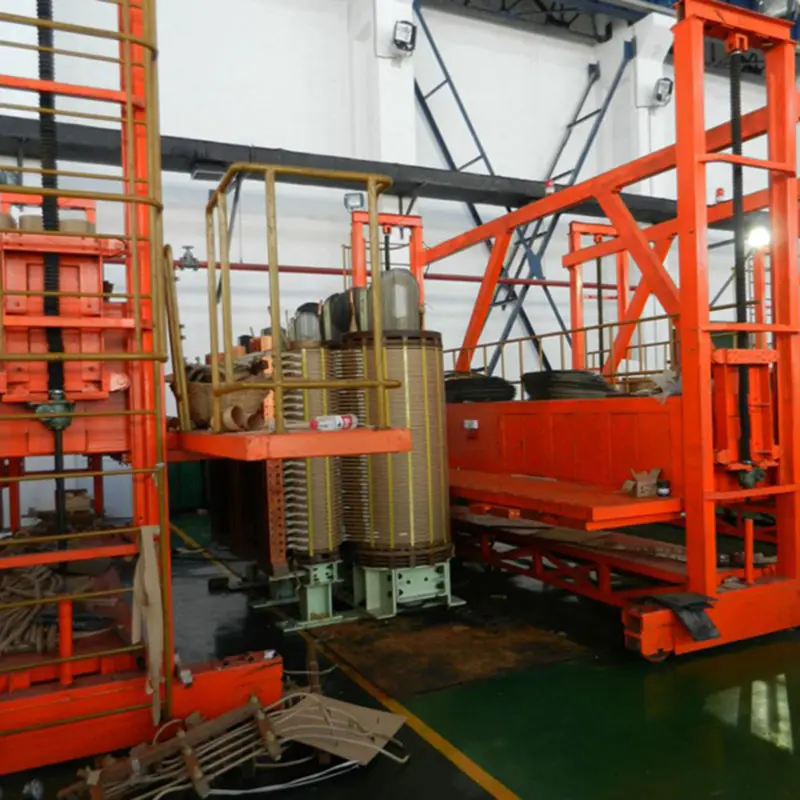
Сборная рама кузова плоского трансформатора CCA
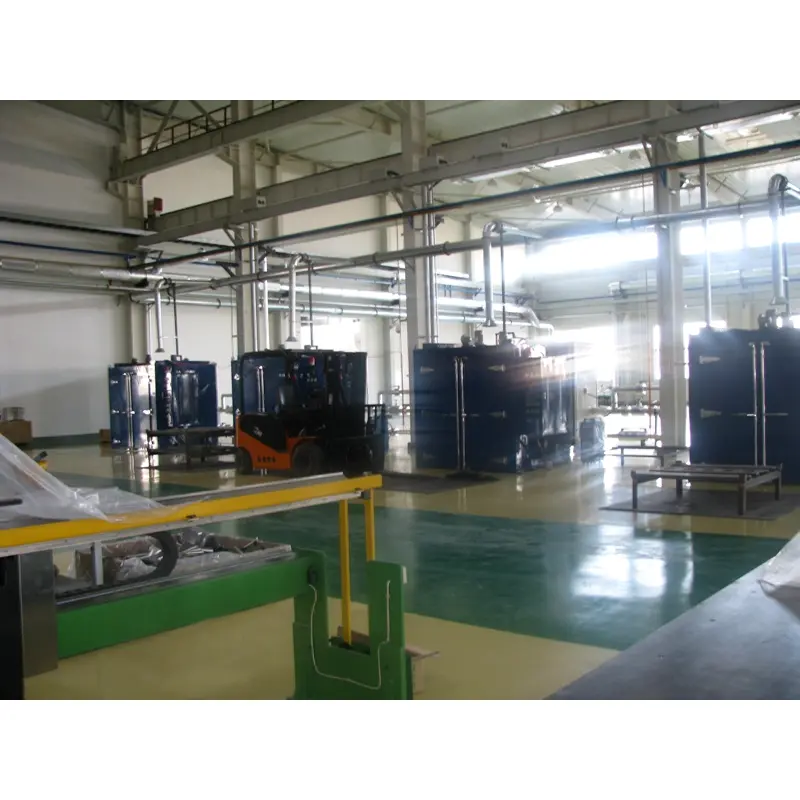
Печь отжига с аморфным сердечником трансформатора
-
Подробное объяснение знаний о полностью автоматической намоточной машине: руководство для начинающих2026-06-25Посмотреть детали >>
-
Автоматическая намоточная машина против полуавтоматической намоточной машины против ручной намоточной машины2026-06-25Посмотреть детали >>
-
详解油浸式变压器基础知识,初学者必读2026-06-23Посмотреть детали >>
-
详解干式变压器基础知识,初学者必读2026-06-23Посмотреть детали >>
-
Масляные и сухие силовые трансформаторы: руководство для начинающих2026-06-12Посмотреть детали >>
-
Анализ метода использования и устранения неисправностей машины для намотки фольги2026-06-12Посмотреть детали >>
-
Руководство по ремонту неисправностей машины для намотки фольги: анализ причин и решение2026-06-10Посмотреть детали >>
-
Десять типов намоточных машин, сколько вы знаете?2026-06-10Посмотреть детали >>
-
Десять крупнейших американских компаний по производству трансформаторов2026-06-09Посмотреть детали >>
-
Руководство по эксплуатации машины для намотки фольги трансформатора2026-06-09Посмотреть детали >>
-
Руководство по основам автоматической проводки: применение/выбор/обслуживание/обмен советами2026-06-08Посмотреть детали >>
-
Руководство для начинающих: настройка и анализ производительности машины для намотки фольги трансформатора2026-06-08Посмотреть детали >>