Products
 Home >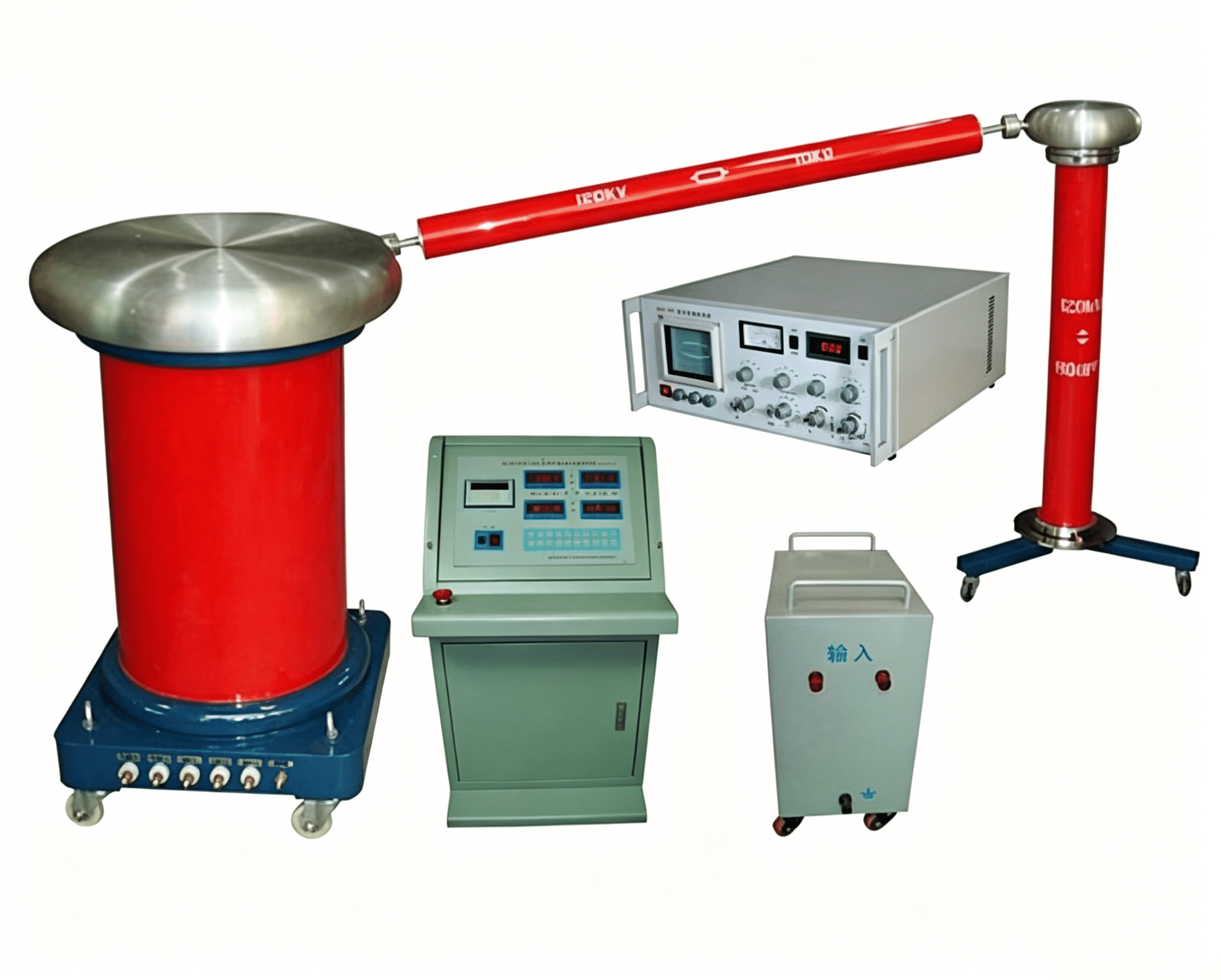


Partial discharge test system

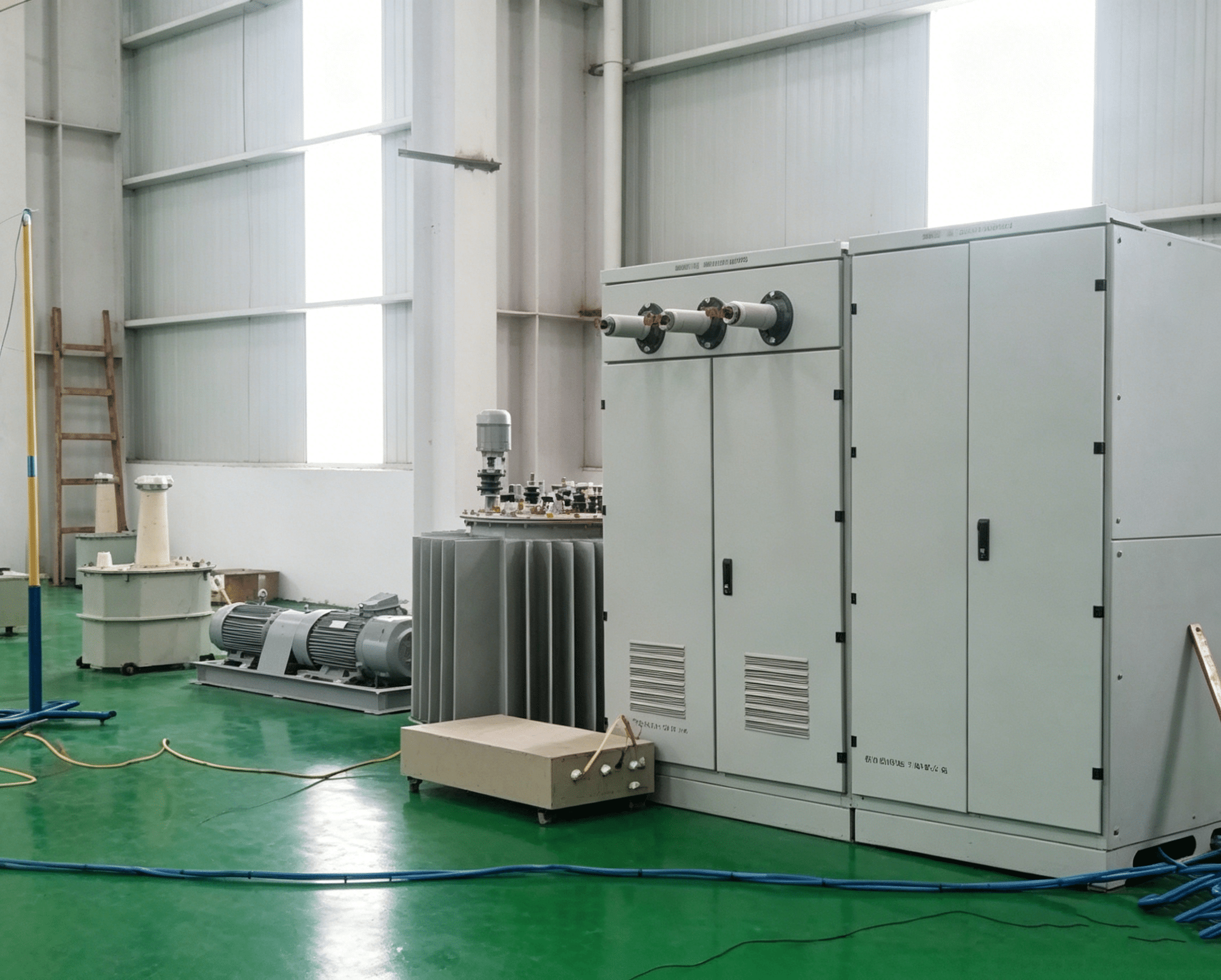
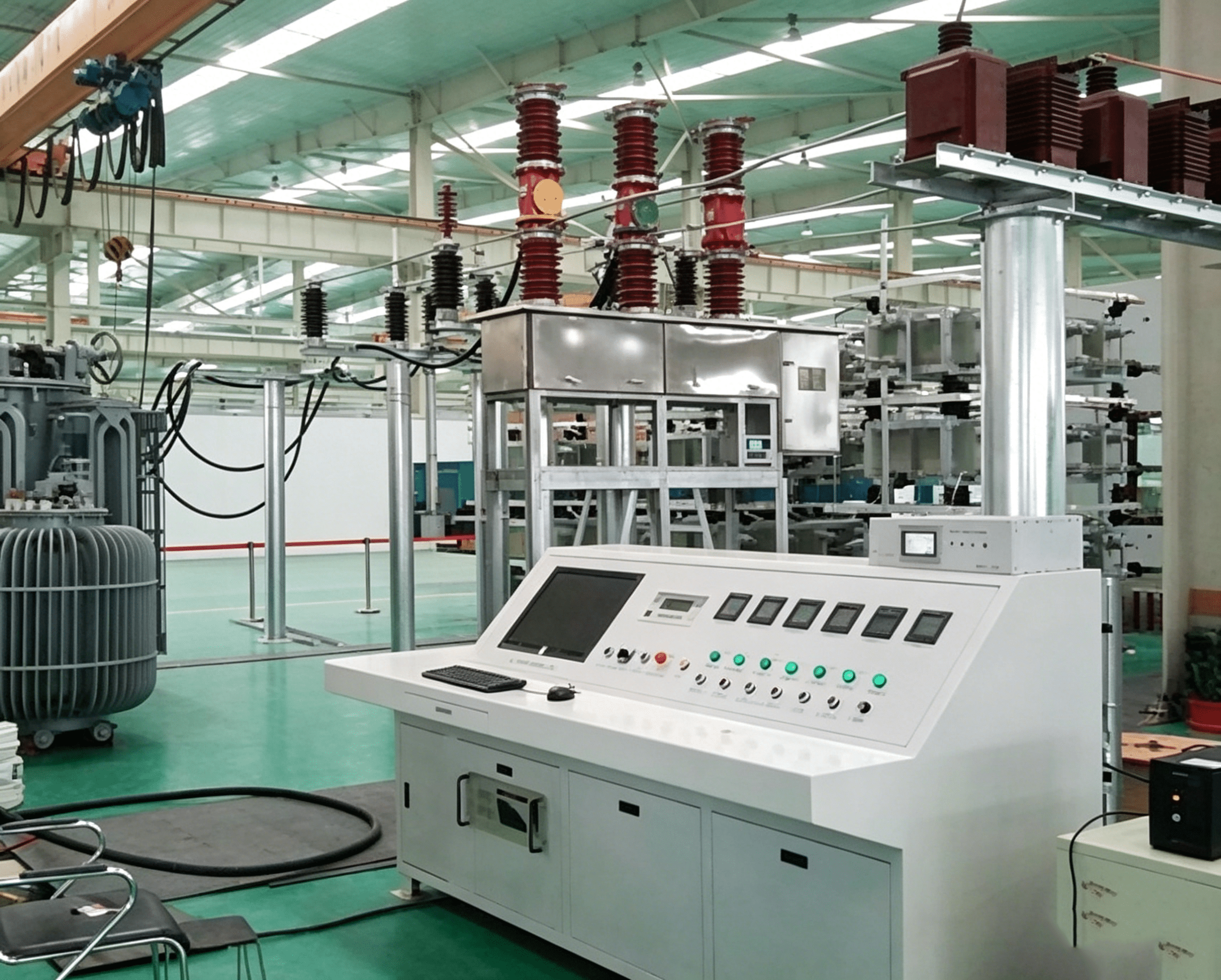
This versatile system is designed to measure partial discharges in a wide range of electrical equipment, including transformers, motors, transformers, cables, and gas-insulated switchgear(GIS), switches, lightning arresters, etc. The system's multichannel measurement capability supports testing at multiple points or multiple tests simultaneously. This method can be successfully applied to large transformers and substations.。
Partial dischargeTest equipment is used to detect, measure and analyze partial discharges occurring within an electrical insulation system(PD)Special high voltage diagnostic instrument.
Partial discharge is a partial electrical breakdown that does not completely break down the insulation between conductors. It usually occurs at defects in the solid or liquid insulating layer, such as voids, cracks, contaminants, or air gaps. Over time, these microdischarges degrade the insulation and can lead to catastrophic failure of high-voltage equipment.
WhyPDTesting is important
Identify and repair insulation defects before they occur
Facilitates the development of condition-based maintenance plans
Reduce costly unplanned downtime
Improve long-term asset reliability
Main components
Non-partial discharge transformer
Partial discharge measuring instrument
Quarantine low-pass filter
Coupling capacitor
Current-limiting resistor
Control Panel
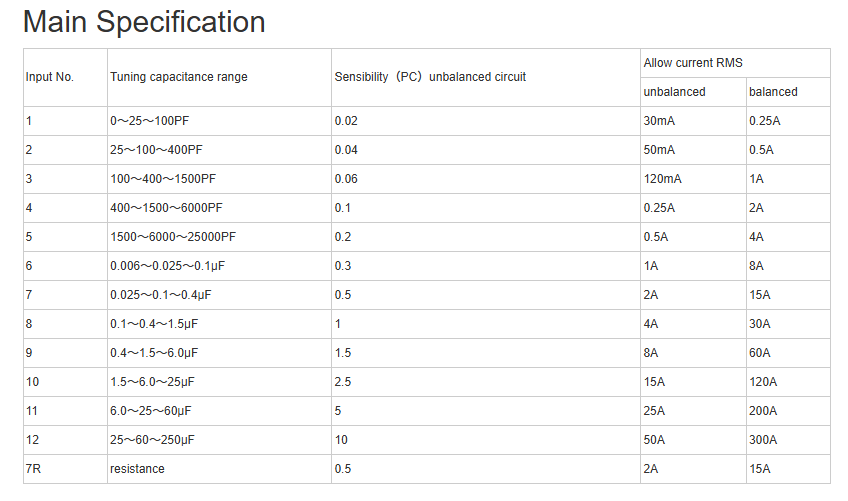
Frequency:50、100、150、200、400Hertz
3dB fL:10、20、40kHzOptional
3dB fH:80、200、300kHzOptional
Coarse adjustment range6File20±1dB? Fine tuning range>20dB
Types of Partial Discharge Test Equipment
PDDetectors and analyzers
Partial discharge(PD)The key components of the detection system arePDA detector capable of measure a discharge event, an amount of charge (pC), frequency, and waveform data. TypicalPDThe detection instrument supports high sensitivity (as low as0.1pC), multi-channel, and graphical reporting capabilities.
Partial discharge test system
The complete partial discharge test system includes a high voltage test source, a coupling capacitor, a partial discharge analyzer, a calibrator, and software for data acquisition and analysis. The system can be used for both offline acceptance testing and advanced offline diagnostics.
OnlinePDMonitoring equipment
On-line partial discharge monitoring solutions continuously monitor insulation conditions without powering down equipment, making them ideal for critical assets where service interruptions are unacceptable.
Buyers are choosingPDKey features of primary concern when testing equipment
High sensitivity and accuracy
High sensitivity (e.g.0.1pCOr less) can detect insulation problems early, which is essential for quality assurance and preventive maintenance.
Comply with international standards
According toIEC 60270And other global standards ensure that measurement results are comparable, repeatable, and available through utilities/Factory Acceptance Test.
Multimodal detection
Supports multiple detection techniques,HFCT、TEV、UHFAnd the detection precision of various test objects is improved.
Reporting and data analysis
Clear graphic output, phase-resolvedPDAnalysis and exportable test reports,CSV / PDFImproved availability in the field.
PDTypical applications of test equipment
Transformer (high voltage)/MV) Partial Discharge Testing and Insulation Assessment
Partial Discharge Detection of Power Cable
Gas-insulated switchgear (GIS) Insulation verification
Rotating machinery (motors and generators)
Industrial Assets and Manufacturing Quality Control
How to choose the right onePDTest system
Define test range and voltage requirements
Decide that you need portablePDDetectors, bench-top systems, or integration for the laboratoryPDTest system.
Check sensitivity and measuring range
High sensitivity is essential for early detection and accurate insulation diagnosis.
Review compliance and certification
Ensure complianceIEC 60270And relevant industry standards.
FAQs Frequently asked questions
Question1:PDTest andPDWhat's the difference in monitoring?
Answer:PDTesting is typically done offline, during acceptance or planned maintenance;PDMonitoring is an ongoing online assessment.
Q2: Which industries are commonly usedPDTest equipment?
A: Utilities, power generation, industrial manufacturing, aerospace, rail, and petrochemical industries rely onPDData.
Q3: InterpretationPDWhat conditions are required for the test results?
A: The interpretation process involves analyzing the discharge amplitude, phase position, and frequency, and comparing the results with theBaseline measurements are compared.
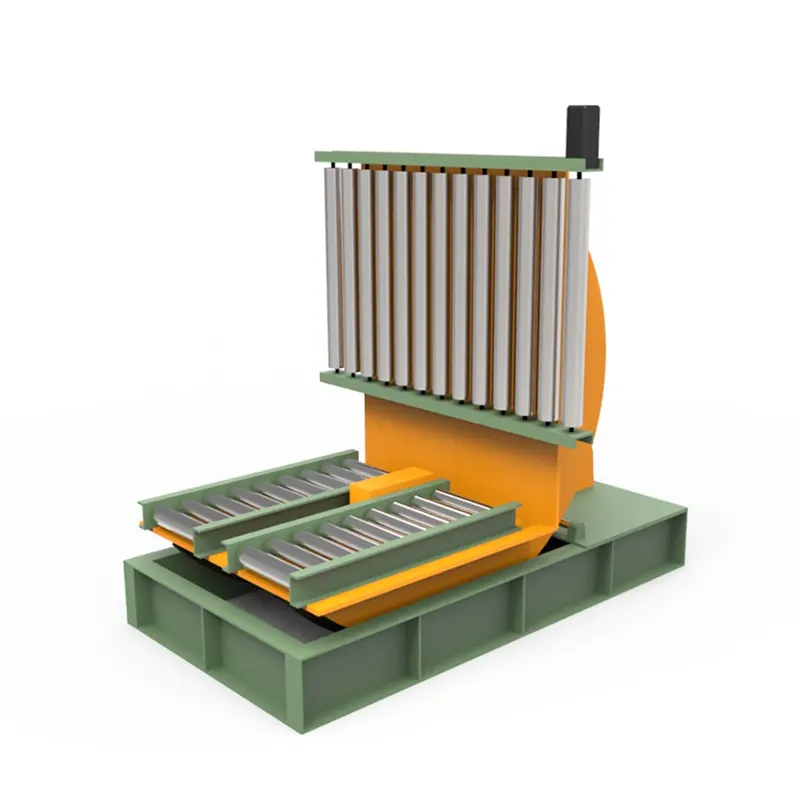
Transformer automatic movable automatic trolley core tilting links
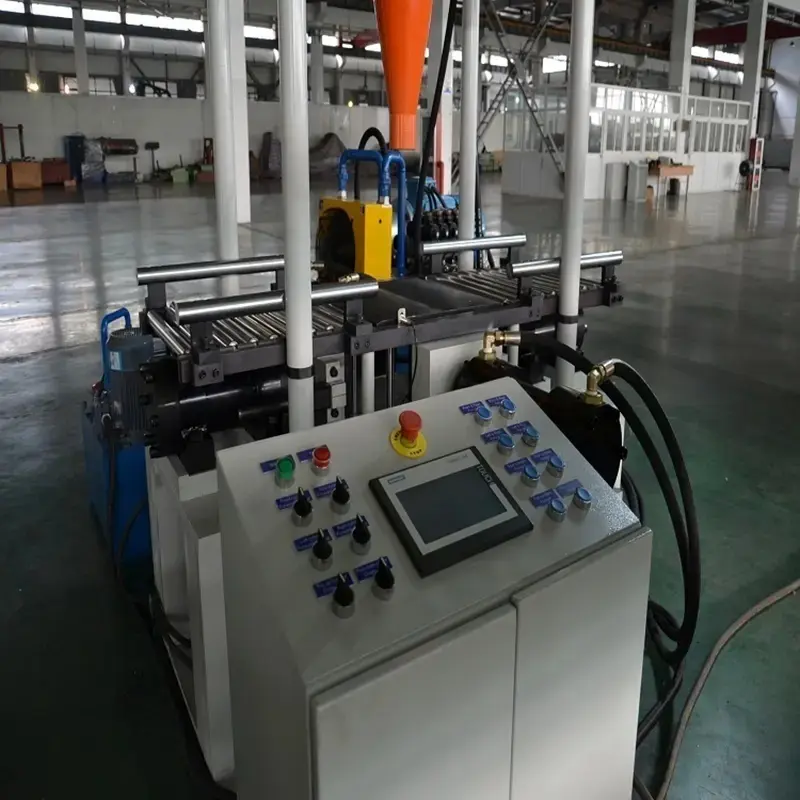
Iron transformer core forming machine
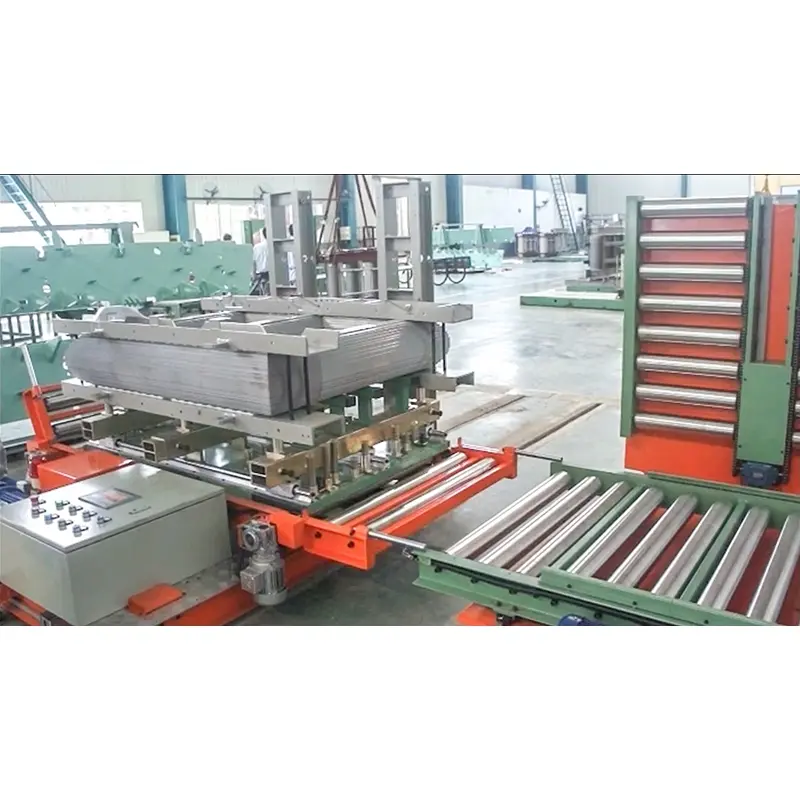
Powe transformer body incline platform
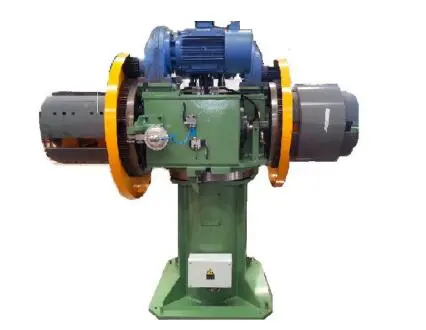
Ilicon split reactor magnetic disk core production links
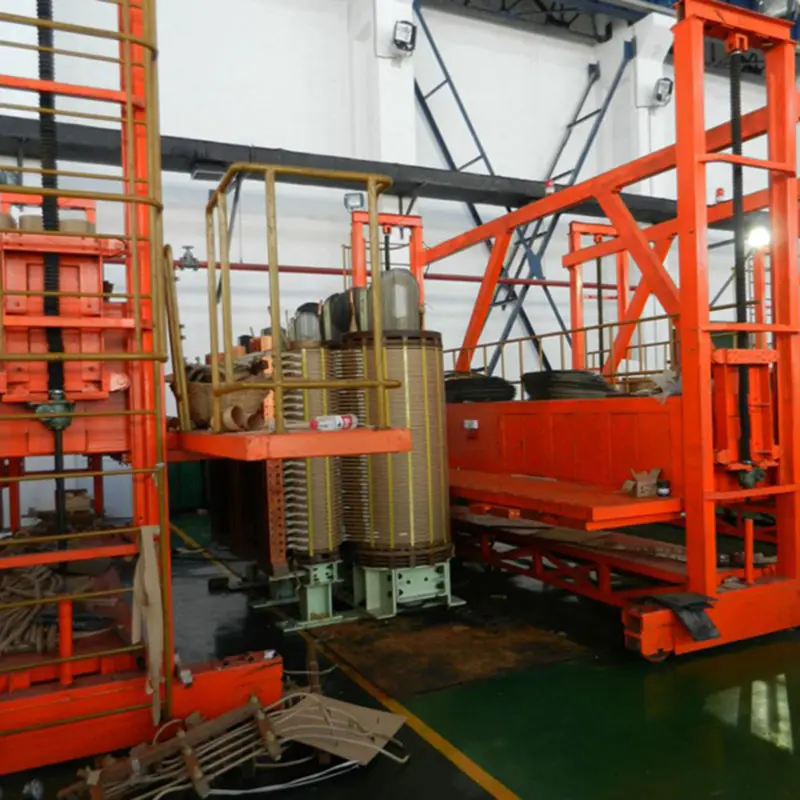
CCA plane transform vehicle body assembly frame
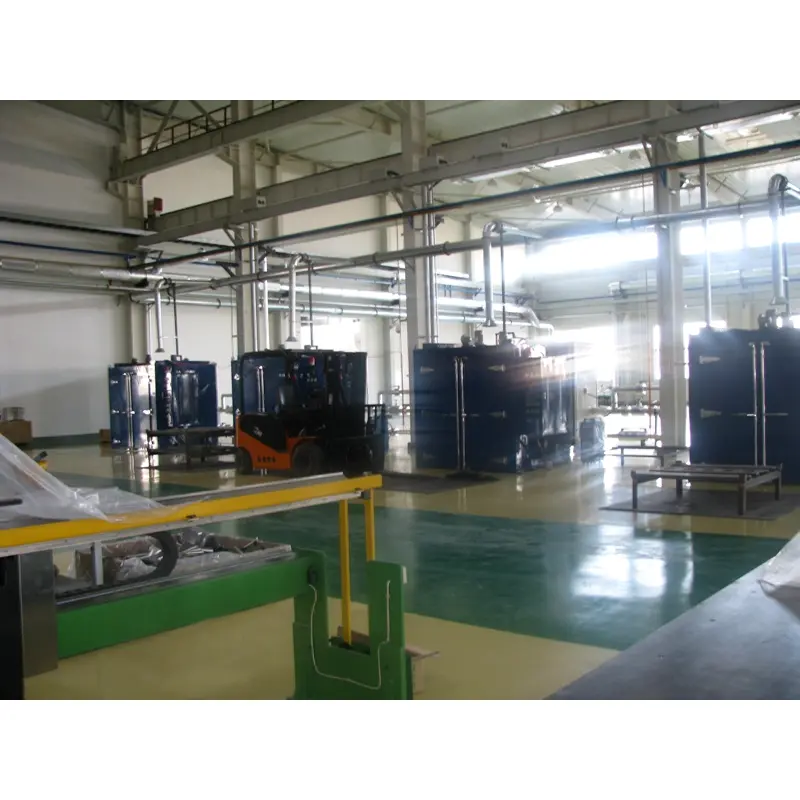
Transformer Amorphous Core Annealing Furnace
Leave your contact information and we will contact you during business hours